OnePlus Pad 3 Review: Snapdragon 8 Elite Powerhouse
The OnePlus Pad 3’s Snapdragon 8 Elite chip delivers unmatched performance. Our review covers its stunning 144Hz display, huge battery, and final verdict in OnePlus Pad 3 Review.
OnePlus carved its name in the tech world by delivering “flagship killer” performance at a fraction of the cost. With the new OnePlus Pad 3, the company is bringing that same aggressive strategy to the premium tablet market. Following up on its predecessor, the Pad 3 goes all-in with a larger display, the monstrously powerful Snapdragon 8 Elite chipset, and a massive battery, all wrapped in a surprisingly thin and sleek aluminum body.
Is this the ultimate Android tablet for productivity and entertainment? Let’s dive deep into our comprehensive OnePlus Pad 3 review to find out if it has what it takes to dethrone the competition.

OnePlus Pad 3: Key Specifications at a Glance
- Body: 289.6 x 209.7 x 6.0mm, 675g, Aluminum unibody
- Display: 13.2-inch LTPS LCD, 144Hz refresh rate, Dolby Vision, 900 nits peak brightness, 2400x3392px resolution
- Chipset: Qualcomm Snapdragon 8 Elite (3 nm)
- GPU: Adreno 830
- Memory: 12GB/256GB or 16GB/512GB (UFS 4.0)
- OS: Android 15 with OxygenOS 15
- Cameras: 13 MP rear, 8 MP front
- Battery: 12,140mAh
- Charging: 80W wired charging support (charger not included)
- Connectivity: Wi-Fi 7, Bluetooth 5.4
- Audio: Eight-speaker system (4 woofers, 4 tweeters)
Design and Build: Premium, Polished, and Practical
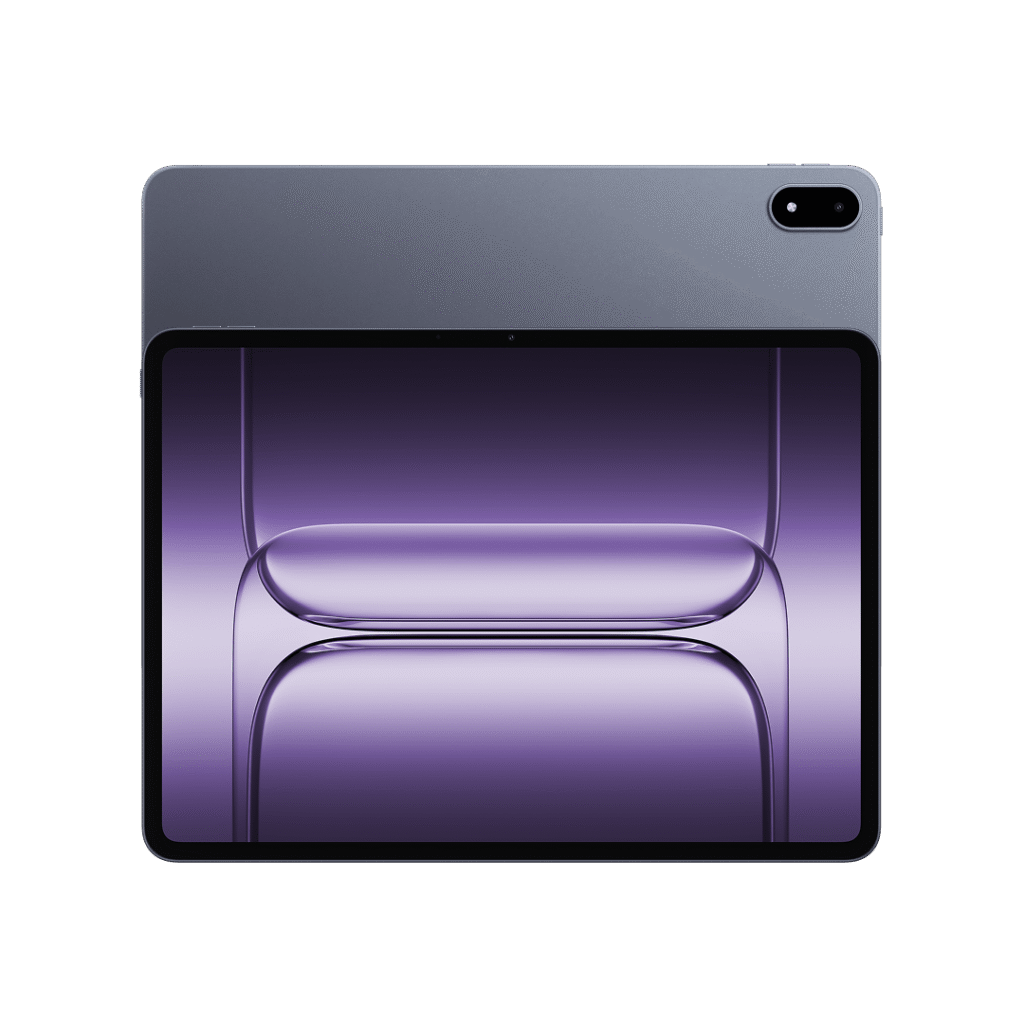
The OnePlus Pad 3 feels every bit as premium as its spec sheet suggests. The aluminum unibody chassis is incredibly solid, and at just 6.0mm, it’s remarkably thin for a device of this size. Our Storm Blue review unit looks elegant, though it is a magnet for fingerprints, making a case a wise investment.
The bezels around the expansive 13.2-inch screen are slim and symmetrical, housing an 8MP front camera on the landscape edge, perfect for video calls. While the design is sleek, OnePlus has once again omitted a fingerprint scanner, relying solely on less secure face unlock or passcodes—a strange decision for a flagship device.
Display: A Bright and Buttery-Smooth 144Hz Canvas
The centerpiece of the OnePlus Pad 3 is its stunning 13.2-inch LTPS LCD panel. With a sharp 2400x3392px resolution and a silky-smooth 144Hz variable refresh rate, everything from scrolling through web pages to high-end gaming feels incredibly fluid.
The display gets exceptionally bright, hitting 842 nits in our tests, making it perfectly usable even in well-lit environments. The unique 7:5 aspect ratio is fantastic for multitasking and productivity, offering more vertical space than traditional widescreen tablets. The only downside is the lack of HDR support in major streaming apps like Netflix, which limits you to 1080p playback despite the screen’s Dolby Vision capabilities.

Performance: Snapdragon 8 Elite Unleashed
This is where the OnePlus Pad 3 truly shines. It’s one of the first tablets to feature the new Qualcomm Snapdragon 8 Elite chipset, and the performance is simply breathtaking. In synthetic benchmarks, the Pad 3 doesn’t just compete; it dominates, posting chart-topping scores in GeekBench, AnTuTu, and 3DMark.
More importantly, this power translates to a flawless real-world experience. Apps open instantly, multitasking is effortless, and it can handle any game you throw at it at the highest settings. Thanks to a large vapor chamber, thermal management is excellent. Even under sustained load, the tablet maintained 83% of its peak CPU performance without getting uncomfortably hot.
Software and Multitasking: OxygenOS Gets Serious
Running OxygenOS 15 based on Android 15, the software experience is clean, fast, and packed with useful features for the big screen. The star of the show is Open Canvas, a multitasking system that allows you to run up to three apps side-by-side with incredible flexibility. Combined with the persistent taskbar, it’s arguably the best multitasking implementation on any Android tablet today.
Another key feature is O+ Connect, which lets you remotely control a Mac or Windows PC. While a brilliant idea, our testing with a MacBook Pro revealed noticeable lag, making it better for quick tasks than a full laptop replacement.
Battery Life and Charging: A Media Marathon Runner
With a massive 12,140mAh battery, the OnePlus Pad 3 is built for endurance. In our tests, it delivered an outstanding video streaming time of over 14 hours—among the best we’ve ever seen from a tablet. While its web browsing endurance was less impressive, you can confidently expect it to last through a full day of heavy use.
When it’s time to recharge, the tablet supports 80W fast charging. In our tests with a compatible charger, it reached 40% in 30 minutes, with a full charge taking about 1 hour and 29 minutes.
Cameras and Audio: Fit for Purpose
Tablet cameras are rarely a highlight, and the OnePlus Pad 3 is no exception. The 8MP front camera is perfectly adequate for video calls, and the 13MP rear camera can capture decent shots in good lighting. However, they won’t be replacing your smartphone anytime soon.
The audio experience, on the other hand, is phenomenal. The revamped eight-speaker system, with four woofers and four tweeters, produces loud, rich, and immersive sound that makes watching movies or listening to music a genuine pleasure.
Final Verdict: Is the OnePlus Pad 3 Worth It?
With a starting price of €599, the OnePlus Pad 3 offers an incredible package that punches well above its weight. It delivers class-leading performance, a brilliant high-refresh-rate display, outstanding multitasking software, and fantastic battery life for media consumption.
While the experience could be improved with an OLED panel, a fingerprint scanner, and a cellular option, these are minor complaints in the face of its overwhelming strengths. If you are in the market for a high-performance Android tablet for productivity and entertainment, the OnePlus Pad 3 is not just a great option—it’s arguably the new tablet to beat.
Pros:
- Sleek, premium aluminum design
- Bright, high-resolution 144Hz display
- Best-in-class performance with the Snapdragon 8 Elite
- Excellent multitasking software (Open Canvas)
- Superb battery life for video streaming
- Immersive eight-speaker audio system
Cons:
- No OLED display option
- Lacks a fingerprint scanner for secure biometric login
- No cellular (4G/5G) model available
- O+ Connect feature can be laggy
Starting from- ₹49,999/-